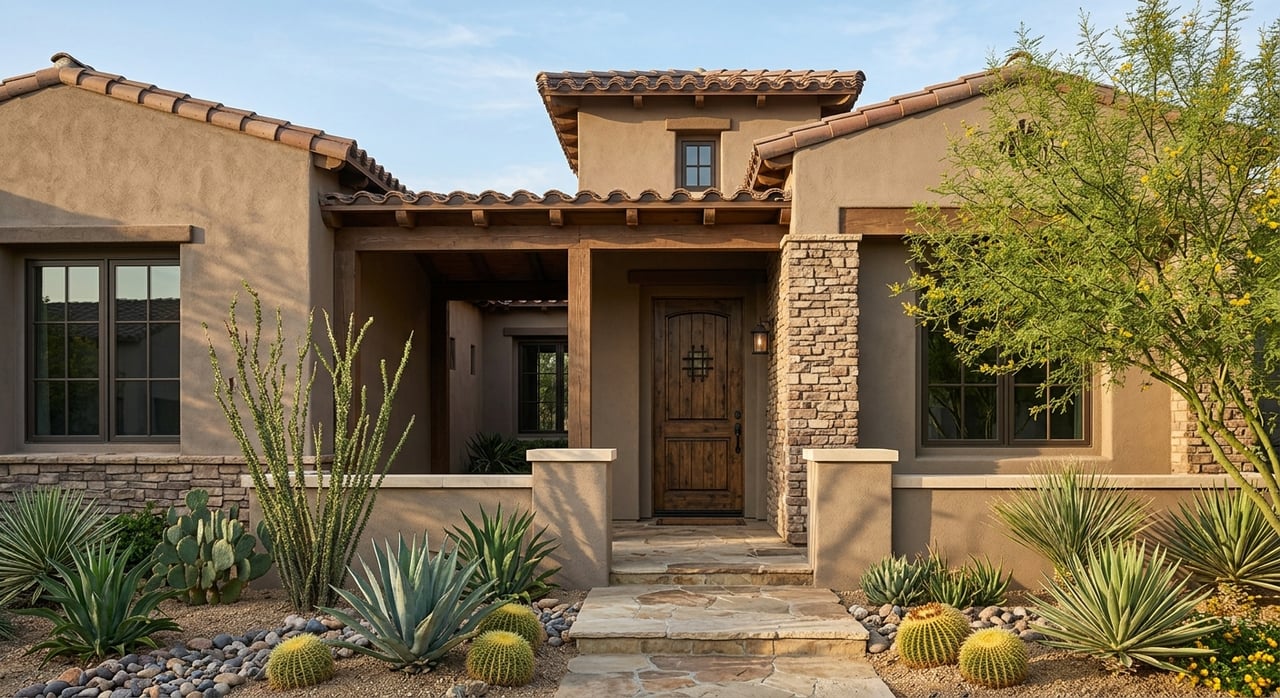
If you are thinking about a second home in La Paloma, the smartest move is not just finding a beautiful property. It is choosing a home that fits how you plan to use it, how much upkeep you want, and how easy it may be to resell later. In a foothills community with multiple sub-associations, layered HOA rules, and strong seasonal demand, strategy matters. Let’s dive in.
Why La Paloma works for second homes
La Paloma stands out because it blends foothills scenery, gated living, and a range of property types within one master-planned community. According to the La Paloma Homeowners Association, the community includes 856 homes across ten sub-associations plus commercial parcels, which means your ownership experience can vary depending on where you buy.
That structure matters if you live elsewhere for part of the year. Before you buy, you will want to review both the master association documents and the rules for the specific sub-association, especially for maintenance, parking, rentals, and architectural review. For second-home buyers, those details can shape both convenience and long-term value.
Lifestyle also plays a major role in La Paloma’s appeal. The La Paloma Country Club offers a 27-hole Jack Nicklaus Signature golf course and a wide club program, while the nearby Westin La Paloma Resort & Spa adds to the area’s resort-adjacent feel and places attractions like La Encantada and Sabino Canyon nearby.
Start with your use case
The best second-home strategy starts with one simple question: How will you actually use the property? That answer should guide every other decision.
A few common second-home use cases include:
- Personal use only
- Seasonal use with frequent guests
- Long-term rental when you are away
- Short-term or vacation-rental goals, if allowed
- A blend of personal use and income potential
When you define that early, it becomes much easier to narrow your options. A buyer who wants easy lock-and-leave ownership may need something very different from a buyer who wants a larger lot, bigger garage, and longer stays with family.
Match the property type to your goals
Condos for lock-and-leave ease
If your top priority is simplicity, a condo is often the clearest fit. Current listing information for the Condominiums at La Paloma describes a gated condominium enclave with a community pool, spa, fitness area, and barbecue ramadas.
That type of setup can make ownership much easier if you spend part of the year out of town. In practical terms, condo living often reduces the amount of day-to-day exterior maintenance you need to manage from a distance.
Patio homes for a middle path
If you want lower maintenance but prefer something other than a classic condo layout, patio homes and gated enclaves often offer a strong middle ground. In Las Palomitas rules, the association maintains landscaped areas and front yards, while homeowners remain responsible for private courtyards and backyard landscaping.
That split can work well for buyers who want some private outdoor space without taking on full-property upkeep. The same rules also state that rentals are allowed, though buyers should still verify exact terms before moving forward.
A current Villages of La Paloma listing, cited in the research, also points to services such as front-yard maintenance, trash, gated access, and street maintenance. For many second-home buyers, that kind of maintenance support is a strong advantage.
Estate homes for views and privacy
If your focus is privacy, views, and long-term prestige, an estate property may be the right fit. Recent La Paloma Estates listings show larger lots, mountain or city views, and larger garages, with HOA coverage focused more on common-area, gate, and street maintenance than on full exterior home care.
That usually means more responsibility stays with you as the owner. Estate homes can be a compelling choice, but they are generally best for buyers who are comfortable managing more landscaping, systems, and ongoing property oversight.
Understand La Paloma’s layered HOA structure
One of the biggest strategy mistakes second-home buyers make is assuming that one set of community rules applies everywhere. In La Paloma, that is not the case.
Because the community is organized through a master association with multiple sub-associations, you should confirm rules at more than one level. That includes rental restrictions, parking rules, gate access, maintenance obligations, and any design review requirements that could affect future improvements.
For example, Las Palomitas allows rentals, but the rules also require single-family residential use, specify a rental information form for leases of six months or longer, and include detailed standards for parking, gate passes, and nuisance issues. For an out-of-area buyer, those details are not minor. They are central to how the home will function in real life.
Plan around Tucson’s seasonal pattern
Seasonality is a major part of second-home strategy in La Paloma. Tucson’s climate creates a very different ownership experience in winter than in summer.
According to NOAA climate normals for Tucson International, the mean daily maximum is 100.2°F in July and 65.5°F in December. The research report also notes that monsoon season typically runs from mid-July through mid-September, and winter visitation is boosted by events such as Tucson’s Gem, Mineral & Fossil Showcase.
The practical takeaway is straightforward. Touring, occupancy, and lifestyle demand are often strongest from fall through spring, while summer tends to be less comfortable and more price-sensitive. If you are buying with future resale in mind, it helps to think about how your home will appeal during that high-demand seasonal window.
Think about resale before you buy
A smart second-home purchase should serve you now and still make sense later. In La Paloma, the most marketable second homes are often the ones that combine easy ownership with a strong lifestyle story.
That usually means features like:
- Low exterior maintenance
- Attractive views
- A practical floor plan
- Gated setting or maintenance support
- Access to club or resort-adjacent amenities
This is an inference drawn from La Paloma’s structure and seasonal demand, but it is a useful one. If a home feels easy to own for you, it may also feel easier to justify for the next absentee buyer.
Review rental rules before you underwrite income
If rental potential is part of your strategy, you need to verify more than the listing remarks. In La Paloma, rental viability depends on state law, local tax rules, county classification, and HOA restrictions.
Under Arizona law, cities, towns, and counties may not outright prohibit short-term rentals, but they may enforce health and safety requirements, nuisance rules, emergency contact requirements, and local permit or license rules. The research report also states that Tucson imposes a 6% transient rental tax on stays of less than 30 consecutive days.
Pima County adds another layer. The county distinguishes second residences, long-term rentals, and short-term rentals of less than 30 days, and rental property must be registered with the Assessor. If you are considering any rental use, even occasionally, it is important to confirm how the property should be classified.
Just as important, if you do not plan to rent, you should still understand second-home tax treatment. The Pima County primary-residence affidavit states that a property used as a vacation home cannot qualify as a primary residence, so you should not assume owner-occupant treatment for a part-time property.
Budget the full carrying cost
A second home can be financially comfortable or surprisingly expensive depending on what you include in your math. The purchase price is only one part of the picture.
Before you make an offer, underwrite the full carrying cost, including:
- HOA dues
- Insurance
- Utilities
- Gate or access-related costs
- Club membership costs, if relevant to your lifestyle
- Landscape or property oversight needs
- Tax treatment tied to second-home or rental status
This step is especially important in a community where ownership obligations can vary by sub-association. Two homes at similar price points may have very different monthly realities.
A simple La Paloma buying framework
If you want a practical roadmap, use this five-step approach based on the research:
- Define your use case first. Decide whether the home is for personal use, guest-heavy stays, seasonal rental, or a blend.
- Choose the right property type. Condos fit the lightest-maintenance goal, patio homes offer a middle path, and estate homes fit buyers who want lot size and views and can handle more upkeep.
- Underwrite the full cost. Look beyond the mortgage to HOA dues, insurance, utilities, tax treatment, and any club-related costs.
- Verify rental permissions early. Review state law, local tax rules, county classification, and both master and sub-association documents before you count on rental income.
- Buy with future resale in mind. Focus on homes that are easy to own, visually appealing, and well-positioned within La Paloma’s amenity story.
Why local guidance matters here
La Paloma is not a one-size-fits-all market. A condo near resort-style amenities, a patio home in a gated enclave, and a custom estate can all serve very different second-home goals.
That is why neighborhood-level guidance matters so much in this community. When you understand the differences between sub-associations, maintenance structures, and ownership rules before you buy, you can make a cleaner decision with fewer surprises later.
If you are considering a second home in La Paloma, working with a hyper-local advisor can help you compare options through the lens that matters most: how the property will live, carry, and resell. When you are ready to talk through your goals, connect with James Storey for a private consultation.
FAQs
What is the best property type for a second home in La Paloma?
- For the lowest-maintenance option, condos are usually the cleanest fit. Patio homes often offer a middle ground, while estate homes are better suited to buyers who want larger lots, more privacy, and are comfortable with more upkeep.
Do La Paloma second-home buyers need to review more than one HOA?
- Yes. La Paloma includes a master association and multiple sub-associations, so you should review both sets of documents before assuming anything about rentals, parking, maintenance, or architectural rules.
Can you use a La Paloma second home as a rental property?
- Potentially, but you need to verify state law, Tucson tax rules, Pima County classification requirements, and the exact HOA rules for the specific sub-association before relying on rental income.
Are second homes in La Paloma treated as primary residences for tax purposes?
- Not automatically. Pima County states that a property used as a vacation home cannot qualify as a primary residence, so part-time occupancy does not mean owner-occupant treatment applies.
When is the best season to buy or tour second homes in La Paloma?
- Fall through spring is often the most comfortable and active period because Tucson’s cooler months support stronger touring and lifestyle demand than the hotter summer season.