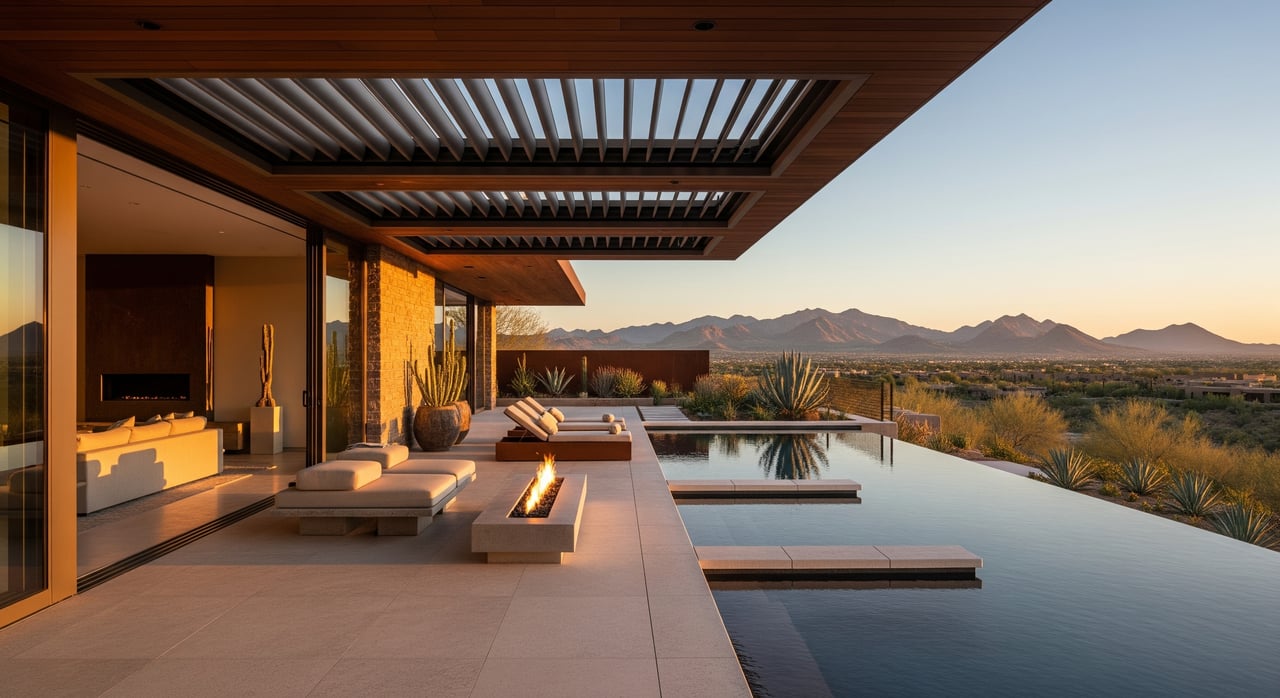
Do you picture sunrise coffee with the Catalinas front and center, or twilight dinners overlooking the city lights? In Paloma Del Sol, both scenes are possible, but each comes with tradeoffs in sun, shade, and comfort. If you are moving to 85718, understanding how the sun moves and how the foothill slopes shape views can make everyday living better and your investment smarter. This guide gives you clear, local tips on orientation, patios, and view angles so you can choose with confidence. Let’s dive in.
Paloma Del Sol setting: slopes, sun and comfort
Paloma Del Sol sits in the Catalina Foothills, where lots rise and fall between the Tucson valley and the Santa Catalina Mountains. Many parcels have an uphill side toward the mountains and a downhill side toward the city, which means you may enjoy two very different outlooks from one property. That mix also creates microclimates, so some patios feel breezier while others run warmer.
Summers are hot and dry with average July highs near 100°F. Winters are mild with average January highs around 65°F. Much of the annual 10 to 13 inches of rain arrives during the North American Monsoon from July to September. Summer sun is intense, and afternoon heat lingers, so planned shade and smart materials matter for comfort and energy use.
Tucson sun basics for 85718
At roughly 32.2° north latitude, the sun gets very high in summer and much lower in winter. Around June 21, solar noon altitude reaches about 80 to 82 degrees. Around December 21, it drops to about 34 to 36 degrees. That difference is your friend if you use it well.
- Summer sunrise tends to the northeast and sunset to the northwest. Winter sunrise shifts to the east-southeast and sunset to the west-southwest.
- East-facing areas get gentle morning light. West-facing areas take on late-afternoon sun, which is the hottest load in summer.
- South-facing areas see sun most of the day, but high summer sun can be blocked with horizontal overhangs. North-facing areas receive the most consistent indirect light.
Longer summer days, roughly 14 hours near the solstice, increase heat exposure unless you add shade. Winter days are closer to 10 hours, which can be pleasant on south patios.
What each exposure means day to day
South-facing living
South-facing rooms and patios get all-day light and helpful winter warmth. In summer, they need deliberate shading so you can keep interiors cool. Horizontal overhangs, covered porches, and high-performance glass are your go-to tools. If you plan rooftop solar, south-facing roof planes are ideal in this latitude.
East-facing spaces
East-facing kitchens, breakfast nooks, and bedrooms enjoy pleasant morning sun with cooler afternoons. An east patio often becomes your summer go-to spot for coffee or a quick lunch. It will not reduce evening cooling loads, but it keeps late-day heat at bay.
West-facing exposures
West-facing windows and patios bring sunset glow and city-light ambiance but also the toughest summer heat. Low-angle afternoon sun can penetrate deeply and spike cooling bills. If you choose west-facing views, plan vertical shading, higher-spec glass, deep porches, and landscape shade to make evenings comfortable.
North-facing rooms and patios
North-facing living spaces get stable, indirect daylight that feels calm and even. In summer, a north patio is often the most comfortable place by afternoon and evening. In winter, these areas receive less direct sun, which some owners prefer for glare control.
Patio comfort by direction
Use this quick guide to match your outdoor living to your lot.
- North patios: Best for summer afternoons and evenings. Add ceiling fans, light-colored paving, and cross-breezes to extend comfort.
- East patios: Ideal for morning routines most of the year. Light shading and a vine-covered trellis can temper early sun.
- South patios: Great in winter. In summer, use deep overhangs, retractable awnings, and reflective or light paving to cut radiant heat.
- West patios: Plan for the most shade help. Vertical screens, pergolas with adjustable slats, native shade trees, and cooling elements like fans or portable evaporative units improve usability at sunset.
Material choices matter. Light, reflective surfaces reduce heat buildup. Shaded, high-thermal-mass floors feel cooler into the evening. Retractable options let you protect views when you want them and create shade when you need it.
Views you can live with
Mountain outlooks
Parcels oriented to the north or upslope typically frame the Santa Catalina Mountains, including higher ridgelines. Daytime mountain views are prized and often come with cooler, softer light on the primary windows and patios.
City lights and valley scenes
Downhill-facing lots to the south or southwest capture broad valley views and nighttime city lights. These scenes create dramatic evening ambiance. They also bring stronger late-day sun in summer, which means more focus on shade strategies.
Getting both
Because many foothill lots have both uphill and downhill aspects, you can sometimes position main living areas for mountain views and reserve a patio or upper level for city lights. Review sightlines from the rooms you will use most to confirm your favored outlook.
Night visits matter
City-light visibility changes with haze and weather. After a monsoon storm, the air can be very clear. Visit at night to confirm the view quality and note how bright or dark you want your surroundings to feel.
Solar, windows, and energy choices
If solar power is on your list, prioritize south-facing roof planes for maximum annual production. West-facing panels can still perform well and may align with late-day demand. Check for shading from nearby ridges or mature trees, which is common in foothill settings.
For windows, select low-e glass with a lower solar heat gain coefficient on south and west orientations. Combine that with overhangs on the south and vertical shading on the west. Right-sizing these elements cuts cooling loads while preserving your view.
Buyer walk-through checklist for Paloma Del Sol
- Visit timing: Tour morning, late afternoon, and after dark. Note sun angles in each room, patio temperatures, and the quality of sunset and city-light views.
- Site and slope: Look for drainage paths, retaining walls, and any erosion signs from monsoon storms. Confirm the buildable pad and how it orients the home to views.
- HOA and permits: Review CC&Rs for rules on exterior shade elements, solar installations, tree removal, and height limits. Check county hillside and erosion control requirements if you plan changes.
- Energy and comfort: Inventory eaves, covered patios, glass types, and HVAC capacity. Assess existing landscape shade and water needs.
- Market and resale: Compare nearby sales for view premiums. Note orientation selling points like mountain views, city lights, or north-facing patios that improve summertime livability.
- Local hazards: Understand monsoon drainage patterns and brush management expectations for foothill properties.
Scenarios and smart tradeoffs
- Morning person: Choose an east-facing kitchen and patio for daily use. Prioritize mountain-facing windows for soft, cool light and add modest south overhangs.
- Sunset lover: Accept a west- or south-facing patio for evening city lights. Invest in vertical screens, deep porches, and fans to keep it comfortable in summer.
- Four-season entertainer: Create a primary north patio for summer and a secondary south patio for winter. Use retractable shade to adapt across seasons.
- Solar-first planner: Favor south roof planes with minimal ridge or tree shade. Pair with low-e glazing and targeted shading to balance production and comfort.
Work with local expertise
Buying in the foothills is not just about beds and baths. It is about choosing the light and views that match how you live. When you balance orientation, shade, and sightlines at the offer stage, you save on retrofits and enjoy your outdoor spaces more from day one. For a private plan that aligns your wish list with Paloma Del Sol’s microclimates and view corridors, connect with James Storey.
FAQs
Are south-facing homes a good choice in 85718?
- Yes, they offer all-day light, helpful winter warmth, and ideal roof planes for solar, as long as you add well-sized overhangs and high-performance glass to manage summer heat.
Should I avoid west-facing windows in the Catalina Foothills?
- Not necessarily; west exposures deliver sunsets and city-light views, but you should plan for vertical shading, better glazing, and landscape shade to control late-day heat.
Which has better resale in Paloma Del Sol, mountain views or city lights?
- Both are desirable; some buyers prefer daytime mountain panoramas while others pay premiums for dramatic city-light scenes, so confirm local comps to match your priorities.
How can I verify sun and view angles before I buy?
- Visit the property in the morning, late afternoon, and at night, review lot orientation and site plans, and use a sun-path or viewfinder app to confirm angles and shading.
What should I know about monsoon season and patios on sloped lots?
- Expect brief heavy rain and higher humidity; check drainage paths, retaining features, and surface materials so patios shed water well and stay usable after storms.