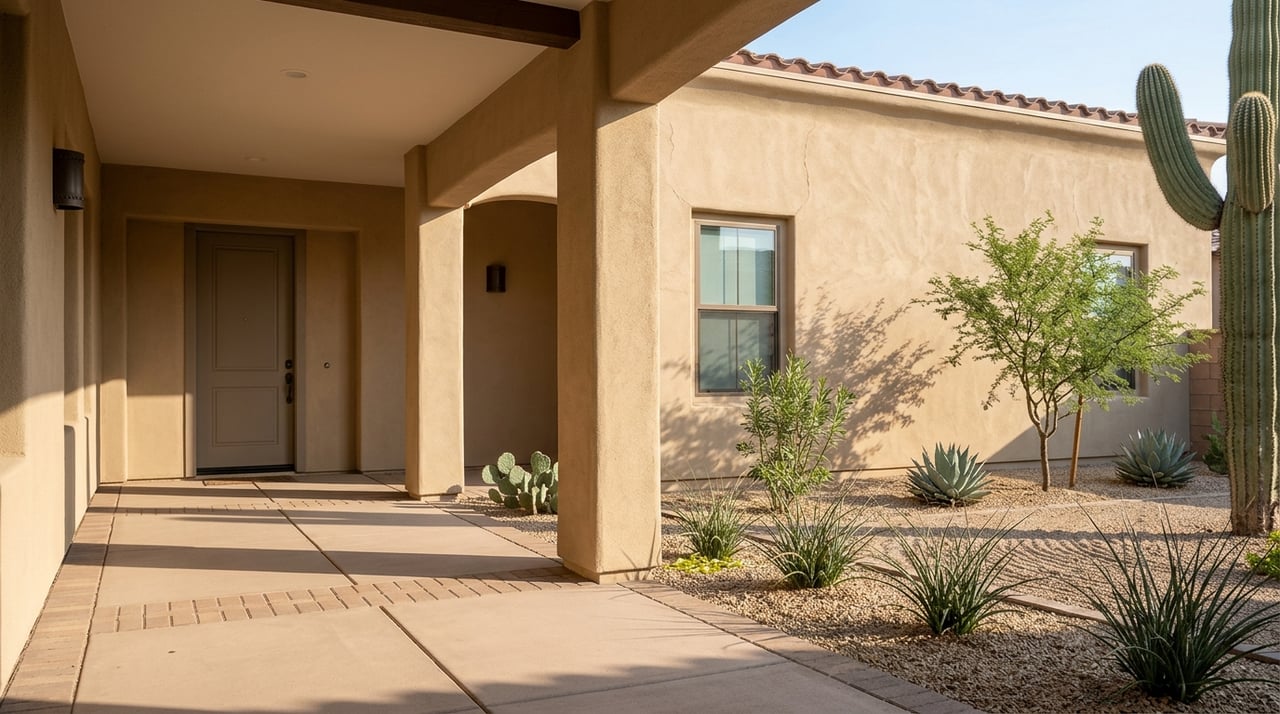
Buying a condo in La Paloma can feel simple at first glance, then suddenly very detailed once financing and HOA documents enter the picture. If you are weighing a full-time move, a seasonal home, or a low-maintenance foothills property, it helps to know what lenders and associations actually review. This guide walks you through the key financing and HOA basics for condos at La Paloma so you can budget clearly, ask better questions, and move forward with confidence. Let’s dive in.
How La Paloma HOA Structure Works
La Paloma is a master-planned community with 856 homes and ten sub-associations, and the Condominiums at La Paloma is one of those sub-associations. The La Paloma Property Owners Association identifies itself as the master association for the overall community. That means condo buyers should confirm whether a specific unit pays only condo association dues or also has a master-association obligation.
This matters because your monthly ownership cost may involve more than one layer of HOA governance. Arizona condominium law recognizes master associations and gives condo boards authority over bylaws, budgets, reserves, and assessments. In practical terms, you want a clear breakdown of who charges what before you close.
Why Condo Financing Is Different
With a condo, your lender is not only evaluating you as a borrower. The lender also reviews the condo project itself. For conventional financing, Fannie Mae says lenders look at project-level financial stability, marketability, owner-control limitations, litigation, and other factors.
That is why condo financing can involve more paperwork than a single-family purchase. Your lender may ask for HOA documents early, and delays often happen when those records are incomplete or slow to arrive. If you are shopping in La Paloma, it is smart to prepare for that step from the start.
Conventional Loan Basics
Conventional financing is often a starting point for condo buyers because it can work for a range of occupancy plans, depending on the project and borrower profile. Fannie Mae guidance also notes that condo appraisals must consider project amenities and the amount and purpose of the association assessment. So the HOA is part of the financing conversation, not just a side note.
For down payment planning, conventional loans backed by Fannie Mae or Freddie Mac can require as little as 3% down. Your actual terms depend on your loan structure and the project review. The main takeaway is that project eligibility matters just as much as personal qualification.
FHA Loan Basics
FHA financing may also be an option, but the project must meet HUD approval requirements. HUD says FHA-insured condo loans are for a primary residence, and the project must comply with state law and HUD requirements tied to insurance coverage, financial condition, title, pending legal action, and physical condition.
For buyers planning to live in the condo as a primary home, comparing FHA and conventional options can make sense. For second-home buyers, conventional financing is often the first path to review. Either way, loan choice should be matched to both your goals and the project’s status.
What To Include In Your Monthly Budget
One of the easiest mistakes in condo buying is underestimating the true monthly cost. Your total housing payment should include principal and interest, property taxes, mortgage insurance if applicable, homeowner’s insurance, any supplemental insurance, and HOA fees.
Just as important, condo dues are usually paid directly to the HOA rather than through your mortgage servicer. That means you should treat them as a separate recurring expense. If you are comparing two condos at La Paloma, a lower mortgage payment does not always mean a lower total monthly cost.
What HOA Dues Usually Cover
Arizona law allows condo associations to adopt budgets for revenues, expenditures, and reserves and to collect assessments from owners. Common expenses can include reserve allocations, which is important because reserves help fund future repair and replacement needs.
In recent listing examples for the Condominiums at La Paloma, monthly HOA dues have varied widely, from about $168 to $375 per month. Some listings also showed one-time transfer fees of roughly $200 to $400. Those same listings often stated that dues covered items like blanket insurance, common-area maintenance, exterior maintenance, roof repair, water, sewer, trash, pest control, gate or security services, and pool or spa access.
Because that range is broad, you should verify the current dues and included services directly through the HOA documents for the unit you are considering. Fees may differ by building, unit type, or service package. A quoted number in a listing is helpful, but it is not the final word.
Why The Resale Packet Matters
In Arizona, the resale or disclosure packet is one of the most important parts of condo due diligence. State law requires the association disclosure package to include the common assessment amount, the current operating budget, the most recent annual financial report, the most recent reserve study if there is one, and a summary of pending litigation.
That packet helps you look beyond the asking price and understand long-term ownership costs. A condo with modest dues today may still deserve a closer look if reserves are thin or if major expenses appear likely. Strong review upfront can help you avoid surprises later.
Key Documents To Review
Before you commit, ask for and review:
- Current monthly HOA assessment information
- Operating budget
- Annual financial report
- Reserve study, if available
- Litigation summary
- Any notice of pending special assessments
- Information on transfer, resale, or document fees
These records can tell you a lot about how the association plans, spends, and prepares for future repairs. They also give your lender important project information during underwriting.
Insurance Questions To Ask
Arizona law requires the association to maintain master property insurance. The same statute says that repair or replacement costs above insurance proceeds and reserves become a common expense.
That is why insurance should never be treated as a box to check and ignore. You should ask what the master policy covers, what it does not cover, and how deductibles or funding gaps are handled if there is a major loss. Those details can affect both your risk and your future costs.
Special Assessments And Delinquency Risk
A well-run budget does not always prevent future assessments, especially when repair costs rise or reserves fall short. Buyers should ask directly whether any special assessments are pending or being discussed. This is especially relevant when evaluating older buildings or projects with major shared components.
Arizona law also gives the association a lien for unpaid assessments, and the lien can become serious if statutory delinquency thresholds are reached. For you as a buyer, that is a reminder that HOA finances are not just paperwork. They directly affect ownership risk, resale ease, and monthly affordability.
La Paloma Condo Questions To Ask Early
If you want to make a cleaner offer and avoid last-minute surprises, start asking the right questions early. In a condo community like La Paloma, financing, governance, and ownership costs are closely connected.
Use this checklist as a practical starting point:
- Which loan program are you using, and does the specific condo project qualify for it?
- Does the monthly HOA amount include any master-association dues?
- What services are included in the dues, such as water, sewer, trash, roof, exterior maintenance, insurance, security, or pool and spa access?
- Is there a current budget, reserve study, annual financial report, and litigation summary in the resale packet?
- Are any special assessments pending?
- Are there mandatory club or amenity memberships?
- Are there rental-pooling rules, hotel or resort features, or other project characteristics that could affect financing eligibility?
- What closing-related HOA fees apply for resale, lien-estoppel, or document preparation?
Arizona law allows an association to charge up to $400 for certain resale, lien-estoppel, and document preparation services. Those costs are not always top of mind when buyers build their closing budget, so it pays to ask early.
Why Local Guidance Helps In La Paloma
La Paloma condo purchases can move smoothly, but they reward careful review. The details that matter most are often specific to the unit, the sub-association, and the way the project fits your chosen loan program. A buyer who understands those moving parts is in a better position to negotiate, budget well, and close with fewer surprises.
If you are comparing condos in La Paloma or want help evaluating the ownership costs behind the list price, working with someone who knows the micro-market can save time and reduce uncertainty. For tailored guidance on La Paloma condos and the Catalina Foothills market, schedule a private consultation with James Storey.
FAQs
What financing is common for condos at La Paloma?
- Conventional financing is a common starting point because lenders can review both the borrower and the condo project, while FHA may also work for qualified primary-residence buyers if the project meets HUD requirements.
What HOA fees should condo buyers expect at La Paloma?
- Buyers should expect monthly HOA dues and possibly transfer or document-related fees at closing, and they should verify whether a unit also has any master-association dues.
What can HOA dues cover in La Paloma condos?
- Depending on the unit and association, dues may cover items such as blanket insurance, common-area maintenance, exterior maintenance, roof repair, water, sewer, trash, pest control, gate or security services, and pool or spa access.
What documents should buyers review for a La Paloma condo?
- Buyers should review the resale packet, including the assessment amount, current budget, annual financial report, reserve study if available, litigation summary, and any notice of pending special assessments.
Are HOA dues included in a condo mortgage payment?
- Usually no, because condo dues are typically paid directly to the HOA and should be budgeted as a separate recurring housing expense.
Why does the condo project matter to a lender in La Paloma?
- The project matters because lenders may review financial stability, litigation, marketability, owner-control limits, insurance, and other project-level factors before approving condo financing.